Vitamins
Vitamin D (calciferol)
Restored & last reviewed August 2026 · By the Vitamins & Supplements Guide editorial team
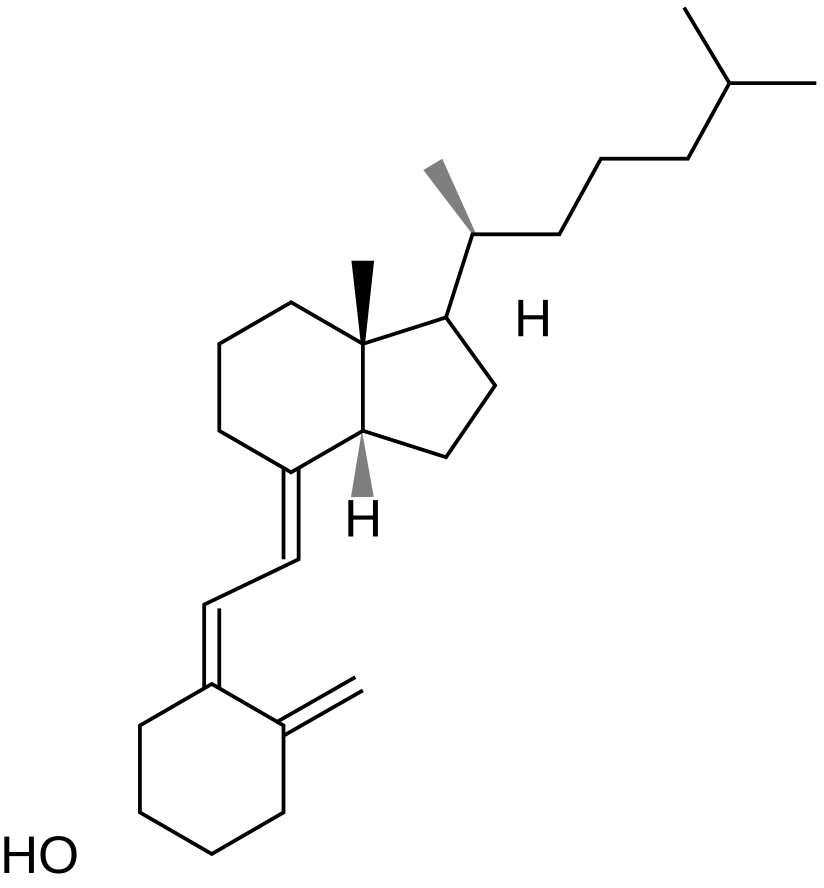
Vitamin D actually refers to a group of steroid molecules. Vitamin D (calciferol) is named according to the revised rules of the International Union of Pure and Applied Chemists (IUPAC). Because vitamin D is derived from a steroid, the structure retains its numbering from the parent compound cholesterol. There are two forms of the vitamin. Vitamin D2 (ergocalciferol) is derived from ergosterol in the diet, whereas vitamin D3 (cholecalciferol) is derived from cholesterol via 7-dehydrocholesterol. Vitamin D3 (cholecalciferol) is found in animal skin, and vitamin D2 (ergocalciferol) is found in yeast. Cholecalciferol is generated in the skin of animals when light energy is absorbed by a precursor molecule 7-dehydrocholesterol. Plants synthesize ergocalciferol, which also has vitamin D activity in humans.
Vitamin D is called the sunlight vitamin because the body produces it when the sun's ultraviolet B (UVB) rays strike the skin. It is the only vitamin the body manufactures naturally and is technically considered a hormone. Vitamin D is important for the proper absorption of calcium from food. It is vital for the control of the levels of calcium in the blood and also controls the rate at which the body excretes calcium in the urine.
The active form of the vitamin is calcitriol which is synthesized from either D2 or D3 in the kidneys. Calcitriol binds to a protein transcription factor which then regulates gene expression. Essential for building strong bones and teeth, vitamin D also contributes to normal immune and muscle function.
Vitamin D (calciferol) functions, uses, and health benefits
Vitamin D and osteoporosis
Adequate amounts of vitamin D is necessary for preventing bone loss. Low levels of vitamin D and insufficient sunlight exposure are associated with osteoporosis. The body cannot absorb calcium from food or supplements without an adequate intake of vitamin D. After menopause, women are particularly at risk for developing this condition. Vitamin D taken along with calcium plays a critical role in maintaining bone density. Vitamin D functions by increasing the uptake of calcium from the intestine through interaction with the parathyroid glands in controlling bone resorption and serum calcium levels. Vitamin D also increases reabsorption of phosphate by the kidney tubule, and may directly affect the osteoblast, the cell which forms bone.
Vitamin D and autoimmune diseases
Maintaining sufficient vitamin D levels may help decrease the risk of several autoimmune diseases such as insulin-dependent diabetes mellitus, multiple sclerosis, and rheumatoid arthritis. A daily multi-vitamin supplement containing vitamin D may reduce the risk of developing multiple sclerosis. Low intakes of vitamin D may be linked to an increased risk of arthritis of the hip in older women. One recent study showed that taking 400 IU or more of vitamin D daily was effective in delaying or stopping the progression of osteoarthritis of the knees. Autoimmune responses are mediated by immune cells called T cells. The biologically active form of vitamin D can modulate T cell responses, such that the autoimmune responses are diminished.
Vitamin D and psoriasis
Vitamin D is sometimesused in the treatment for psoriasis. Because vitamin D and its analogues are potent antiproliferative agents for keratinocytes and stimulators of epidermal cell differentiation. Calcipotriol has been demonstrated to significantly improve psoriatic lesions in a number of double-blind, placebo-controlled trials. Because it plays a role in skin cell metabolism and growth, vitamin D may be helpful in treating the itching and flaking associated with this skin ailment.
Vitamin D and other bone disorders
Vitamin D protects against the preventable bone diseases rickets and osteomalacia (softening of the bones in adults caused by inability to properly deposit calcium). An adequate level of Vitamin D in the body is necessary to maintain strong bones and to help prevent fractures in older people. Vitamin D supplements are also used for people with genetic diseases that interfere with the metabolism of Vitamin D.
Vitamin D (calciferol) dosage, intake, recommended daily allowance (RDA)
Supplemental vitamin D is available as vitamin D2 (ergocalciferol) or vitamin D3 (cholecalciferol). The recommended dietary allowance (RDA) for vitamin D is 600 IU (15 mcg) per day for adults up to age 70 and 800 IU (20 mcg) per day for adults over 70, and 600 IU per day for women who are pregnant or lactating and for children under the age of 10 years. One IU of vitamin D is equivalent to biologic activity of 0.025 mcg of pure crystalline vitamin D-3 (cholecalciferol). Patients on glucocorticoid therapy may need extra vitamin D.
For teenagers and adults, the tolerable upper intake level (UL) of vitamin D is 4,000 IU (100 mcg) per day. Pharmaceutical preparations containing 50,000 IU (1,250 micrograms) of vitamin D2 are used in the treatment of vitamin D deficiency in the elderly and in those with malabsorption syndromes, nephrotic syndrome and hepatic failure. The RDA standard is 10 mcg, or 400 international units (IU), of cholecalciferol daily for children and for women during pregnancy and lactation.
Sources of vitamin D (calciferol)
Vitamin D3 is synthesized in the skin from 7-dehydrocholesterol via photochemical reactions using ultraviolet B (UV-B) radiation from sunlight. Exposure to sunlight is an important source of vitamin D. Ultraviolet (UV) rays from sunlight trigger vitamin D synthesis in the skin. Vitamin D2 is derived from fungal and plant sources. Vitamin D3 is derived from animal sources. Sunlight is the primary source (food is not the primary source) by converting 7-dehydrocholesterol (in the skin) to vitamin D3.
Fortified foods are the major dietary sources of vitamin D. Good food sources of vitamin D include milk, fatty fish such as salmon and mackerel, cod liver oil, fish liver oil, some breads and cereals and egg yolks. Most vitamin D supplements available without a prescription contain cholecalciferol (vitamin D3). Multivitamin supplements for children generally provide 200 IU (5 mcg) and multivitamin supplements for adults generally provide 400 IU (10 mcg) of vitamin D.
Animal products constitute the bulk source of vitamin D that occurs naturally in unfortified foods. Salt water fish such as herring, salmon, sardines, and fish liver oils are good sources of vitamin D3. Small quantities of vitamin D3 are also found in eggs, veal, beef, butter, and vegetable oils while plants, fruits, and nuts are extremely poor sources of vitamin D. Two forms of vitamin D, cholecalciferol and ergocalciferol, are naturally found in foods and are added to milk. It is important to note that the milk used to make yogurt and cheese is usually not vitamin D fortified. Cholecalciferol, is manufactured by the skin when it is exposed to the ultraviolet (UV) rays of the sun.
Sun exposure is perhaps the most important source of vitamin D because exposure to sunlight provides most humans with their vitamin D requirement. 10 to 15 minutes every day of sun exposure on the face and the hand is sufficient. The vitamin we store during the summer lasts us during the winter. Clouds, smog, clothing, sunscreen, and window glass all decrease the amount of sunlight that actually reaches the skin.
The food sources of vitamin D are somewhat limited but include fatty fish, such as salmon and sardines, egg yolks and fortified cereals. Fortified foods are the major dietary sources of vitamin D. The best dietary source for vitamin D is milk, which is fortified with enough to provide 100 IUs in just a cup. Yogurt and cheese are not good sources since they are not made with fortified milk. One cup of vitamin D fortified milk supplies about one-fourth of the estimated daily need for this vitamin for adults. Although milk is fortified with vitamin D, dairy products made from milk such as cheese, yogurt, and ice cream are generally not fortified with vitamin D.
Vitamin D (calciferol) deficiency
In adults, vitamin D deficiency may result in a softening of the bones known as osteomalacia. In children, vitamin D deficiency is called rickets and causes a bowing of bones not seen in adults with vitamin D deficiency. Vitamin D deficiency is characterized by inadequate mineralization or demineralization of the skeleton. Inadequate mineralization of the skeleton is the cause of rickets in children (vitamin D is also known as the antirachitic factor), while demineralization of the skeleton results in osteomalcia in adults. Further, vitamin D deficiency in adults can lead to osteoporosis. This results from a compensatory increase in the production of parathyroid hormone resulting in resorption of bone.
People who get little exposure to sunlight are most at risk of vitamin D deficiency. Vitamin D deficiency can be caused by conditions that result in little exposure to sunlight. Vitamin D deficiency in the winter is more common than previously thought and is even found in men who receive plenty of sun exposure in the summer. Those with chronic liver disease, cystic fibrosis, Crohn's disease, Whipple's disease and sprue are prone to vitamin D deficiency. Others at risk for vitamin D deficiency, include those that do not drink milk and who do not receive much sunlight, those who live in regions where they receive little natural light and alcoholics.
People who get little exposure to sunlight are most at risk of vitamin D deficiency. Vitamin D deficiency can be caused by conditions that result in little exposure to sunlight. These conditions include: living in northern countries; having dark skin; being elderly or an infant, and having little chance to go outside; and covering one's face and body, such as for religious reasons. Many Arab women cover the entire body with black cloth, and wear a veil and black gloves when they go outside. These women may acquire vitamin D deficiency, even though they live in a sunny climate.
The elderly are at risk for vitamin D deficiency for several reasons, including inadequate exposure to sunlight, consumption of low amounts of vitamin D-containing foods and the use of certain drugs which interfere with the absorption and/or metabolism of vitamin D. The use of sunscreens may be another factor that may negatively affect vitamin D status.
Vitamin D is most often associated with calcium metabolism and bone formation. Rickets, a disease characterized by softening of the long bones, results from vitamin D deficiency in children. In older people, bone fractures result from inadequate Vitamin D. Vitamin D also has a role in immune function and in muscle function. Older people (greater than age 50) are thought to have a higher risk of developing vitamin D deficiency. The ability of skin to convert vitamin D to its active form decreases as we age. The kidneys, which help convert vitamin D to its active form, sometimes do not work as well when people age. Therefore, some older people may need vitamin D from a supplement.
Newborn infants who are exclusively breastfed may require vitamin D supplements. Breastmilk does not contain significant levels of the vitamin, and although infants could receive this vitamin from sunlight, it is usually not recommended that small infants be exposed to sunlight in the levels required to produce a sufficient amount of vitamin D. Infant formula is generally fortified with vitamin D, so this requirement only applies to breastfed infants. The symptoms of rickets include bowed legs and bowed arms. The bowed appearance is due to the softening of bones, and their bending if the bones are weight-bearing. Bone growth occurs through the creation of new cartilage, a soft substance at the ends of bones.
Vitamin D (calciferol) overdose, toxicity, side effects
There is a high health risk associated with consuming too much vitamin D. Taking too much vitamin D (more than 1,000 IU daily) can cause a number of adverse effects including excessive thirst, metal taste, poor appetite, weight loss, bone pain, tiredness, sore eyes, itching skin, vomiting, diarrhea or constipation, a need to urinate, and muscle problems. Vitamin D toxicity can cause nausea, vomiting, poor appetite, constipation, weakness, and weight loss. An excess of vitamin D increases the absorption of calcium which leads to high levels of calcium in the blood and result in increased calcium absorption from the intestinal tract.
Long-term overconsumption of vitamin D at any dose greater than 1,000 IU day may cause high blood pressure and premature hardening of the arteries. Vitamin D toxicity (hypervitaminosis D) induces abnormally high serum calcium levels (hypercalcemia), which could result in bone loss, kidney stones, and calcification of organs like the heart and kidneys. The hypercalcemia associated with hypervitaminosis D may cause multiple debilitating effects. Anorexia, nausea and vomiting have been observed in hypercalcemic individuals treated with 1,250 to 5,000 micrograms (50,000 to 200,000 IU)/day of vitamin D.
Cholecalciferol (vitamin D3) is a solid resin, with a molecular weight of 384.62. Vitamin D3 is the active & preferable form of vitamin D. It is a fat soluble vitamin & its absorption depends upon the presence of bile & fats in the intestines. Cholecalciferol is the most widely known of the vitamin D series and is a fat soluble vitamin that is stored to some degree in the body. Cholecalciferol is transferred to the liver where it is converted to calcifediol (25-hydroxycholecalciferol), which is then transferred to the kidneys and converted to calcitriol and 24,25-dihydroxycholecalciferol. Cholecalciferol and ergocalciferol are hydroxylated in the liver by the enzyme vitamin D 25-hydroxylase to form 25-hydroxycholecalciferol (calcifediol) and 25-hydroxyergocalciferol respectively.
Vitamin D3 can be produced photochemically by the action of sunlight or ultraviolet light from the precursor sterol 7-dehydrocholesterol which is present in the epidermis or skin of most higher animals. Vitamin D formed in this manner is termed "natural vitamin D" or vitamin D3. Vitamin D precursors obtained from milk and other products as well as sunlight-produced vitamin D must be metabolized in the liver to form the active coenzyme. Vitamin D3 is often thought to be the preferred vitamin because it has more biological activity.
Vitamin D3 as found in food or in human skin always has various metabolites or isomers that may have biological benefit. There may be as many as 12 metabolites or isomers in the vitamin D found in animal foods. When vitamin D is taken in the form of fish oil, or eaten in foods such as eggs or fish, these metabolites will be present.
The primary functions of vitamin D are stimulation of calcium and magnesium absorption, two minerals that are essential for strong bones. Vitamin D3 is necessary for the ultilization of calcium and phosphorus, and for the assimilation of vitamin A. Cholecalciferol increases the serum calcium concentrations by increasing GI absorption of phosphorus and calcium, increasing osteoclastic resorption, and increasing distal renal tubular reabsorption of calcium. Proper levels are necessary to maintain bone mineral density and serum (blood) calcium levels. This is especially true among the very young where it is used to treat rickets and in combination with vitamin A for the treatment of osteoporosis in the elderly, particularly post menopausal women who are often subject to fractures due to loss of bone density.
Vitamin D3 is may exert a protective effect in multiple sclerosis - both in the development of the disease and in limiting its progression. Vitamin D3 also has a strong immune enhancing effect and controls blood pressure. Without sufficient levels of D3 in the blood, proper bone development and muscle contraction cannot take place. A Vitamin D3 deficiency will lead to serious medical conditions including malnutrition and metabolic bone disease.
The latter may not show signs until a broken arm or leg occurs. Vitamin D3 functions more like a hormone than a vitamin because of the many cellular functions it affects. Many investigators already regard vitamin D as a hormone because of its sterol chemical structure & the fact that sunlight on your skin can use your body to make vitamin D.
Ergocalciferol is vitamin D2. Ergocalciferol is a fat-soluble vitamin that regulates calcium and phosphorus metabolism. Vitamin D is important for the absorption of calcium from the stomach and for the functioning of calcium in the body. Ergocalciferol is 9. 10-secoergosta-5,7,10(19),22-tetraen-3- 01,(3b,5Z,7E,22E)-, (C28H44O) with a molecular weight of 39665. Ergocalciferol is a white, colorless crystal, insoluble in water, soluble in organic solvents, and slightly soluble in vegetable oils. It is affected by air and by light. Ergosterol or provitamin d2 is found in plants and yeast and has no antiarichitic activity. Vitamin D2 is derived from fungal and plant sources. Vitamin D2 is also known as ergocalciferol.
Vitamin D is absorbed primarily in the duodenum and the overall efficiency of absorption is about 50%. In the liver, vitamin D is converted (by vitamin D-25-hydroxylase) into the highly active calcitriol (25-hydroxyvitamin D), which is transported through the body by a carrier protein. Ergocalciferol (vitamin D2) is of plant origin. Calciferol (vitamin D3) is found in animals, especially in the livers of fish. Ergocalciferol (vitamin D2) is produced by ultraviolet irradiation of a provitamin D sterol (ergosterol) which occurs in yeast and fungi.
Both of these agents which have equal biologic activity are metabolized in the liver to calcifediol (25-hydroxycholecalciferol) which is then hydroxylated in the kidney to calcitriol (1,25-dihydroxycholecalciferol). Calcitriol is considered the most active form. Dihydrotachysterol is produced by synthetic reduction of ergocalciferol. Patients with chronic renal disease cannot convert calcifediol to calcitriol. Alfacalcidol (1hydroxyvitamin D3), a synthetic analogue of calcitriol, is rapidly converted in the liver to calcitriol, bypassing the renal conversion step.
Ergocalciferol is used in the treatment of refractory rickets (vitamin-D resistant rickets), familial hypophosphatemia, and hypoparathyroidism. Ergocalciferol (vitamin D2) is used to promote healthy bones and teeth, to help boost the immune system and is sometimes used in the treatment of psoriasis. Vitamin D is also administered for the treatment of lupus, pleurisy and tuberculosis of the larynx, kidneys. Vitamin D2 (ergocalciferol) is the form most often added to milk and other foods, and the form most often found in nutrition supplements. Ergocalciferol has the highest activity from the group of Vitamin D. It regulates phosphorus-calcium metabolism and the processes of ossification. It also control the absorption of phosphorus and amino acids in renal tubules.