Phytochemicals
Phytochemicals
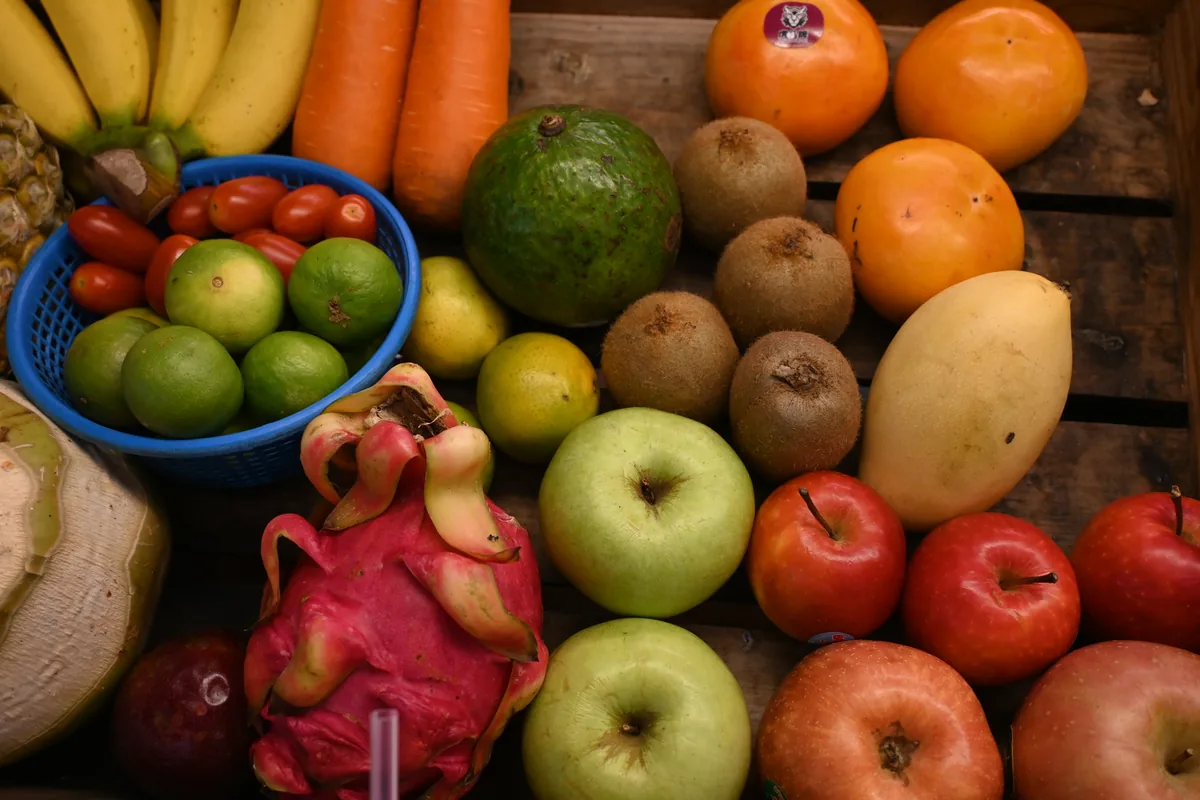
Phytochemicals are substances that plants naturally produce to protect themselves against viruses, bacteria, and fungi. There are over 900 phytochemicals found in foods, and one serving of a fruit or vegetable may have as many as 100 different phytochemicals. Many phytochemicals are antioxidants that impart bright colors to fruits and vegetables. Lutein makes corn yellow, lycopene makes tomatoes red, carotene makes carrots orange and anthocyanin makes blueberries blue, for example. Both the bright colors and the antioxidant activities are due to alternating single-bonded and double-bonded carbons. Phytochemicals including carotenoids, flavonoids, indoles, isoflavones, capsacin, and protease inhibitors.
Phytochemicals are sometimes referred to as phytonutrients and these terms are often used interchangeably. Phytochemicals exhibit diversified physiologic and pharmacologic effects. Phytochemicals are plant compounds studied for a range of biological activities, including antioxidant and anti-inflammatory effects. Many of these non-nutritive substances have potent biological activity and may help to lower risk for many chronic diseases. Soybeans contain a variety of phytochemicals and are the only food source with nutritionally significant amounts of one type of phytochemical called isoflavones.
Carotenoids
Carotenoids are natural fat-soluble pigments found in certain plants. Carotenoids may be classified as hydrocarbon carotenes or xanthophylls, which are oxygenated derivatives of carotenes. Representative examples of carotenes include β-carotene, alpha-carotene, and lycopene. Examples of xanthophylls include lutein, astaxanthin, canthaxanthin, zeaxanthin, and capsorubin. Lycopene, lutein, zeaxanthin, phytoene, phytofluene and beta-carotene belong to this family.Carotenoids are converted to vitamin A mainly in the intestine and liver. Many carotenoids are antioxidants that protect cells against free radicals by neutralizing them before they cause oxidative damage.
Chlorophyll
Chlorophyll is the green pigment which is responsible for the green colour in most plants. Chlorophyll absorbs most in the red and blue portions of the electromagnetic spectrum, thus its intense green color. There are several kinds of chlorophyll, the most important being chlorophyll a which makes up about 75 percent of the chlorophyll in green plants. Chlorophyll has anti-inflammatory, antioxidant, and wound-healing properties. Chlorophyll and chlorophyllin are able to form tight molecular complexes with certain chemicals known or suspected to cause cancer.
Dietary fiber
Dietary fiber is the component in food not broken down by native enzymes and secretions of the gastrointestinal tract but which may be metabolized by the bacteria in the lower gut. Dietary fibre supports bowel regularity, slows the absorption of glucose, and contributes to satiety. There are many types of soluble fiber supplements: beta-glucan, psyllium, methylcellulose, pectins, vegetable gums and polycarbophil. Soluble fiber is found in some fruits (particularly oranges, also apples and bananas), oats, legumes, (peas, soybeans, and other beans), other vegetables, such as broccoli and carrots, and psyllium seed.
Flavonoids
Flavonoids are natural polyphenolic molecules common to most flowering plants, they include flavonols, flavones, flavanones, isoflavones, catechins, anthocyanidins and chalcones. Although not considered vitamins, flavonoids have a number of nutritional functions have been described as biological response modifiers; most act as antioxidants, and some have anti-inflammatory properties. Quercetin is a flavonoid that serves as the backbone for many other flavonoids, including the citrus flavonoids rutin, quercitrin, and hesperidin.
Resveratrol
Resveratrol is a natural compound found in grapes, mulberries, peanuts, and other plants or food products, especially red wine. Resveratrol is a fat-soluble compound that occurs in a trans and a cis configuration. Resveratrol has several activities that may account for its possible cardioprotective action. These include inhibition of the oxidation of low-density lipoprotein (LDL), inhibition of smooth muscle cell proliferation and inhibition of platelet aggregation.
Isoflavones
Isoflavones are a unique class of plant flavonoids that have a limited distribution in the plant kingdom and can be physically described as colorless, crystalline ketones. The most common and important dietary source of these isoflavones are soybeans. Soy isoflavones are phytoestrogens which are plant-derived nonsteroidal compounds that possess estrogen-like biological activity. Isoflavones acts as antioxidants to counteract damaging effects of free radicals in tissues.
Ajoene
Ajoene is a chemical compound available from garlic (Allium sativum). It functions as an antioxidant, by inhibiting the release of superoxide. Ajoene also has antithrombotic (anti-clotting) properties, which helps prevent platelets in the blood from forming blood clots, potentially reducing the risk of heart disease and stroke in humans. Ajoene is also known to have effective broad-spectrum antimicrobial (antibacterial and antifungal) properties, helpful in preventing yeast infection (Candida albicans) and treating athlete's foot (tinea pedis), for example.
Isothiocyanates
Isothiocyanates are sulfur-containing compounds which are largely responsible for the typical flavor of cruciferous vegetables. In animals and humans they are conjugated with glutathione. Isothiocyanates are responsible for the hotness of horseradish, radish and mustard. Isothiocyanates also stimulate enzymes that convert estrogen to a more benign form and may block steroid hormones that promote breast and prostate cancers.
Capsaicin
Capsaicin is an alkaloid irritating to the skin and mucous membranes, the pungent active principle in capsicum, used as the active ingredient in a cream as a counterirritant and topical analgesic. Capsaicin is the active component of chilli peppers (Capsicum). It is an irritant to mammalian epithelial cells and produces a burning sensation in the mouth, which some people enjoy. Plants produce the compound to deter predation. Capsaicin is used in topical ointments used to relieve the pain of peripheral neuropathy (for example post-herpetic neuralgia).
Saponins
Saponins are a group of plant constituents known as glycosides that have a distinctive foaming, soapy characteristic. As a glycoside, a saponin can have water-binding properties for skin. There is some evidence that saponins can have antimicrobial benefit for skin. Saponins are believed to be useful in the human diet for controlling cholesterol, but some (including those produced by the soapberry) are poisonous if swallowed and can cause urticaria (skin rash) in many people.
Phytosterols
Phytosterols are essentially plant fats that include beta-sitosterol and its glucoside beta-sitosterolin. Phytosterols are plant sterols structurally similar to cholesterol that act in the intestine to lower cholesterol absorption. Phytosterols are naturally occurring plant compounds that are chemically similar to cholesterol. Some phytosterols are not absorbed by the digestive tract and block the absorption of cholesterol into the bloodstream. Phytosterols are present in all fruits, vegetables, nuts and seeds.
Beta sitosterol is a phytosterol that have structural similarity to the cholesterol made in our bodies. There are over 40 phytosterols, but beta-sitosterol is the most abundant one, comprising about 50% of dietary phytosterols. Other phytosterols include campesterol, stigmasterol, brassicasterol, delta-7-stigmasterol and delta-7-avenasterol. Phytosterols are waxy, clear solids soluble in most organic solvents but insoluble in water, and contain one alcohol functional group. Phytosterols are found in most plants and thus in foods such as rice bran, wheat germ, corn oils, soybeans, and peanuts.
As one of several phytosterols, beta-sitosterol is commonly found in foods such as wheat germ, soybeans, and corn oil. It is also widely distributed in the plant kingdom and found in such botanicals as Serenoa repens (saw palmetto), Curcurbita pepo (pumpkin seed) and Pygeum africanum. The best way to obtain beta-sitosterol is to eat a diet rich in fruits, vegetables, nuts and seeds.
Beta-sitosterol is used for lowering cholesterol and easing symptoms of benign prostatic hyperplasia (BPH). Phytosterols inhibit the absorption of dietary cholesterol and the reabsorption (via the enterohepatic circulation) of endogenous cholesterol from the gastrointestinal tract. Beta sitosterol inhibits intestinal absorption of cholesterol by competing for the limited space for cholesterol in mixed micelles. Beta-sitosterol normalizes blood sugar and insulin levels in Type II diabetics by stimulating the release of insulin in the presence of non-stimulatory glucose concentrations, and inhibiting glucose-6-phosphatase.
Beta-sitosterol seems to reduce the cholesterol level in the prostate. Beta-sitosterol might also work through its anti-inflammatory activity. Beta-sitosterol also appears to modulate immune function, inflammation and pain levels through its effects on controlling the production of inflammatory cytokines.