Vitamins
Beta-carotene (vitamin A)
Reviewed August 2026 · How we write these articles
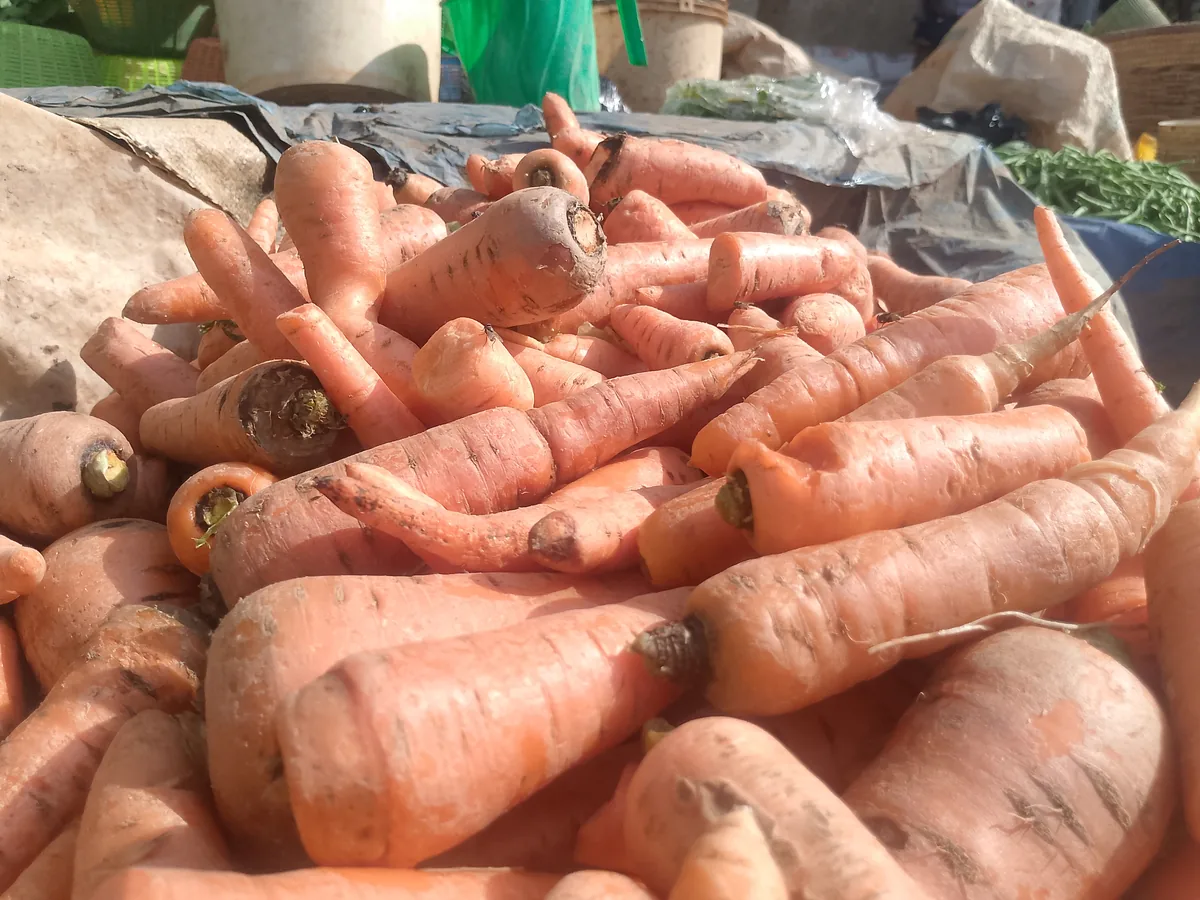
Beta-carotene is one of the orange dyes found in most green leaves, and in carrots. When leaves lose their chlorophyll in the fall, carotene is one of the colors left over in the leaf. Beta-carotene is a member of a family of molecules known as the carotenoids. These have a basic structure made up of isoprene units. Beta-carotene is made up of eight isoprene units, which are cyclised at each end. Beta-carotene is the pigment that gives carrots, sweet potatoes, and other yellow vegetables their characteristic coloring. Beta-carotene is used in foods to provide color (margarine would look as white as shortening without it). Another similar molecule, annatto is used in cheeses, and another famous carotenoid dye, saffron is used to color rice and other foods.
Most beta-carotene in supplements is synthetic, consisting of only one molecule called all trans beta-carotene. Natural beta-carotene, found in food, is made of two molecules - all trans beta-carotene and 9-cis beta-carotene. Beta-carotene is plentiful in vegetables and fruits, and is beneficial in this form. The 600 carotenoids are important for health and are found in yellow, red, and deep green vegetables and fruits. Carotenoids are polyisoprenoids which typically contain 40 carbon atoms and an extensive system of conjugated double bonds.
They usually show internal symmetry and frequently contain one or two ring structures at the ends of their conjugated chains. Beta-carotene along with alpha-carotene, lycopene, lutein, zeaxanthin and beta-cryptoxanthin are the principal dietary carotenoids. Three of these carotenoids, alpha-carotene, beta-carotene and beta-cryptoxanthin, can serve as dietary precursors of retinol (all-trans retinol, vitamin A).
Beta-carotene is the most potent precursor to vitamin A, but its conversion to vitamin A in the body is limited by a feedback system. Beta carotene has two roles in the body. It can be converted into vitamin A (retinol) if the body needs more vitamin A. If the body has enough vitamin A, instead of being converted, beta carotene acts as an antioxidant which protects cells from damage caused by harmful free radicals.
The body converts beta-carotene into vitamin A, a nutrient first identified in the 1930s and now recognized as vital to the growth and development of the human body. It is an important antioxidant in its own right and one that can only build up to toxic levels in rare circumstances. Beta-carotene is considered a conditionally essential nutrient. Beta-carotene becomes an essential nutrient when the dietary intake of retinol (vitamin A) is inadequate.
Beta-carotene (vitamin A) functions, uses, and health benefits
The body turns it into vitamin A, and beta carotene is sometimes added to foods or vitamin supplements as a nutrient. The same long chains of conjugated double bonds (alternating single and double bonds) that give the carotenes their colors are also the reason they make good anti-oxidants. The can mop up oxygen free radicals and dissipate their energy.
Beta-carotene may have a role to play in staving off heart disease, apparently a function of its ability to keep harmful LDL cholesterol from damaging the heart and coronary arteries. Beta-carotene has been shown to have benefits to the immune system.
Like all other carotenoids, beta-carotene is an antioxidant. Antioxidants are substances that help prevent or reduce the formation of damaging chemicals in the body called free radicals. Consuming foods rich in beta-carotene appears to protect the body from damaging molecules called free radicals. Free radicals cause damage to cells through a process known as oxidation, and over time, such damage can lead to a variety of chronic illnesses. Beta-carotene's antioxidant actions make it valuable in protecting against, and in some cases even reversing, precancerous conditions affecting the breast, mucous membranes, throat, mouth, stomach, prostate, colon, cervix, and bladder. Beta carotene is sometimes added to products for its anti-oxidant effects, to keep fats from going rancid
Beta-carotene (vitamin A) dosage, intake, recommended daily allowance (RDA)
No RDA has yet been established for beta-carotene, but vitamin A is essential for health, and beta-carotene is converted into vitamin A in the body. The exact conversion factor varies with the circumstances; in general, 2 mcg of beta-carotene in supplement form is thought to be equivalent to 1 mcg of vitamin A. Adults and teenagers need 6 to 15 milligrams (mg) of beta-carotene (the equivalent of 10,000 to 25,000 Units of vitamin A activity) per day. Children need 3 to 6 mg of beta-carotene (the equivalent of 5,000 to 10,000 Units of vitamin A activity) per day.
For general health, 15 to 50 mg (25,000 to 83,000 IU) per day is recommended. For adults with erythropoietic protoporphyria, 30 to 300 mg (50,000 to 500,000 IU) per day for 2 to 6 weeks is recommended. The RDA for vitamin A for women who are breast-feeding increases from 800 mcg RE to 1300 mcg RE. This can be met by increasing the intake of beta carotene rich foods. Smokers should be made aware that supplemental intake of beta-carotene of 20 milligrams daily or greater were associated with a higher incidence of lung cancer in smokers.
Sources of beta-carotene
The richest sources of beta-carotene are yellow, orange, and green leafy fruits and vegetables (such as carrots, spinach, lettuce, tomatoes, sweet potatoes, broccoli, cantaloupe, and winter squash). The more intense the green, yellow or orange color the more beta carotene the vegetable or fruit contains. Beta carotene is not destroyed by cooking which, in fact, may make it easier to absorb. In dietary supplements, beta-carotene is available as synthetic all-trans beta-carotene, beta- and alpha-carotene from the algae Dunaliella, and mixed carotenes from palm oil.
The body regulates the conversion of beta-carotene to vitamin A based on its needs. Beta carotene is one of a family of 600 carotenoids and is found in high levels in carrots, pumpkins, spinach, broccoli, Brussel sprouts, oranges, apricots and peaches. Dark green and orange-yellow vegetables are good sources of beta-carotene. It is also available in supplements. Foods rich in beta-carotene include red peppers, carrots, pumpkins, as well as those just mentioned. Most dark-green leafy vegetables and deep yellow/orange vegetables and fruits (sweet potatoes, carrots, pumpkin and other winter squashes, cantaloupe, apricots, peaches,and mangoes) contain substantial amounts of beta-carotene. By eating these beta-carotene rich foods, a person can increase their supply of vitamin A.
Beta-carotene (vitamin A) deficiency
A low dietary intake of carotenoids such as beta-carotene is not known to directly cause any diseases or health conditions, at least in the short term. However, long-term inadequate intake of carotenoids is associated with chronic disease, including heart disease and various cancers. One important mechanism for this carotenoid-disease relationship appears to be free radicals. Research indicates that diets low in beta-carotene and carotenoids can increase the body’s susceptibility to damage from free radicals. As a result, over the long term, beta-carotene deficient diets may increase tissue damage from free radical activity, and increase risk of chronic diseases like heart disease and cancers.
Diets low in beta carotene may reduce the effectiveness of the immune system and lead to an increased risk of cancer and heart disease. Old persons with type 2 diabetes have shown a significant age-related decline in blood levels of carotenoids, irrespective of their dietary intake. Symptoms of a beta-carotene deficiency mimic those of a vitamin A deficiency: dry skin, night blindness, susceptibility to infection. Such deficiencies are seldom seen, however, even in people who don't eat fruits or vegetables or take supplements, because so many other foods supply the nutrient.
Beta-carotene overdose and toxicity
Supplementing the diet with beta-carotene does not produce any significant toxicity despite its use in very high doses in the treatment of numerous photosensitive disorders. At recommended dosages, beta-carotene is believed to be very safe. High intake of carotenoid-containing foods or supplements is not associated with any toxic side effects. But the skin may turn slightly yellow-orange in color when extra large amounts are taken. But will return to normal with decreased dosage. However, long-term use of beta-carotene supplements, especially at doses considerably above the amount necessary to supply adequate vitamin A, might slightly increase the risk of heart disease and certain forms of cancer. Beta-carotene supplementation may also decrease blood levels of lutein, another carotenoid.