Vitamins
Vitamin E (tocopherol)
Reviewed August 2026 · How we write these articles
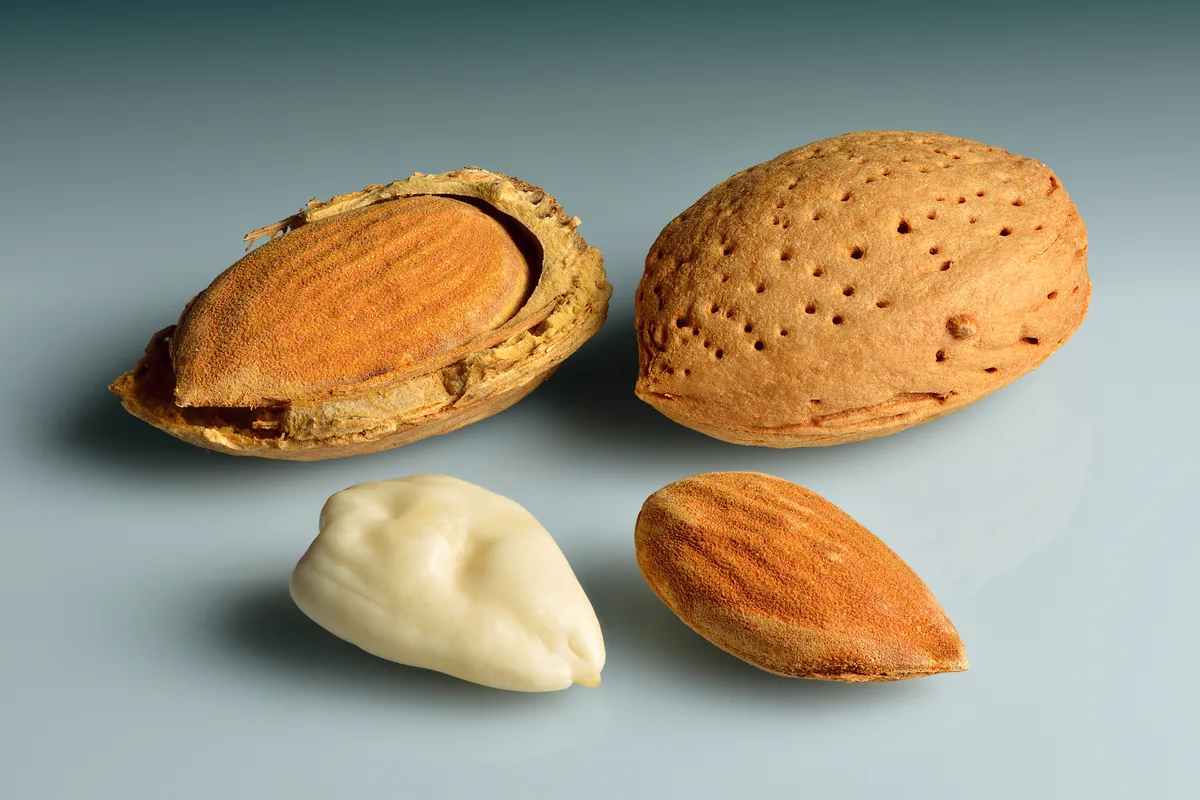
Vitamin E is the most effective, fat-soluble antioxidant known to occur in the human body. Vitamin E is actually an umbrella term for a group of compounds called tocopherols and tocotrienols. Each form has its own biological activity, the measure of potency or functional use in the body. Alpha-tocopherol (α-tocopherol) is the name of the most active form of vitamin E in humans. Of the eight naturally occurring forms of vitamin E, it appears that only naturally occuring alpha-tocopherol (commonly known as d-alpha-tocopherol) is maintained in the human blood circulation.
Synthetic alpha-tocopherol is commonly known as d1-alpha-tocopherol. Natural vitamin E d-a-tocopherol is extracted from deodorised distilled oil [d.d.o] which is separated from vegetable [generally soya] oil after crushing. The natural form of vitamin E is clearly superior in terms of absorption and retention in the body. The name "tocopherol" was derived from the Greek words for childbirth (tos), to bring forth (phero), and the chemical designation for an alcohol (ol).
Vitamin E is often used in skin creams and lotions because it is believed to play a role in encouraging skin healing and reducing scarring after injuries such as burns. Vitamin E is one of the many nutrients that have protective properties. The main function of vitamin E is to maintain the integrity of the body's intracellular membrane by protecting its physical stability and providing a defense line against tissue damage caused by oxidation. Vitamin E is absorbed from the intestines, along with fat and bile salts, first into the lymph and then into the blood, which carries it to the liver to be used or stored.
Vitamin E acts as a co-enzyme in cellular membranes and serves as a scavenger for free radicals that are destructive to the membrane and internal cellular components. Vitamin E in supplements is usually sold as alpha-tocopheryl acetate, a form that protects its ability to function as an antioxidant. The synthetic form is labeled "D, L" while the natural form is labeled "D". Commercially available blends of natural vitamin E include "mixed tocopherols" and "high gamma tocopherol" formulas.
Vitamin E (tocopherol) functions, uses, and health benefits
The most important function of vitamin E is to maintain the integrity of the body's intracellular membrane by protecting its physical stability and providing a defense line against tissue damage caused by oxidation. Vitamin E is protective because it helps reduce oxidation of lipid membranes and the unsaturated fatty acids and prevents the breakdown of other nutrients by oxygen. Vitamin E is an antioxidant that prevents free radical damage in biological membranes. Free radicals can cause cell damage that may contribute to the development of cardiovascular disease and cancer. Vitamin E has an effect on several enzyme activities and membrane properties. It is involved in the regulation of vascular smooth muscle cell proliferation and protein kinase C activity.
Vitamin E as an antioxidant helps to stabilize cell membranes and protect the tissues of the skin, eyes, liver, breast, and testes, which are more sensitive to oxidation. When applied to the skin, vitamin E-containing creams or oils are believed to promote healing, protecting cells from free-radical damage and reducing itchiness. Many people use such products to ensure optimal skin health. The protective, nutritional antioxidant function of vitamin E is also performed and enhanced by other antioxidants, such as vitamin C, beta-carotene, glutathione (L-cysteine), and the mineral selenium.
Vitamin E and heart disease
Vitamin E helps protect against heart disease by limiting the oxidation of LDL-cholesterol. Vitamin E helps prevent oxidation of lipoproteins, particularly in smokers, and reduces the stickiness of platelets in the bloodstream. Vitamin E also keeps arteries flexible and elastic, allowing blood to flow freely. Vitamin E helps prevent arteries from clogging by blocking the conversion of cholesterol into the waxy fat deposits called plaque that stick to blood vessel walls.
Vitamin E also thins the blood, allowing for blood to flow more easily through arteries even when plaque is present. Vitamin E also may help prevent the formation of blood clots, which could lead to a heart attack. Vitamin C and vitamin E, taken in combination, help to stabilise LDL cholesterol in the body. This may help to reduce the risk of atherosclerosis.
Vitamin E and cataracts
Because of it's antioxidant action, vitamin E may help to protect against cataracts and age related macular degeneration. Cataracts are growths on the lens of the eye that cloud vision. They increase the risk of disability and blindness in aging adults. Lens clarity, which is used to diagnose cataracts, is better in regular users of vitamin E supplements and in persons with higher blood levels of vitamin E. Uveitis is another eye disorder for which the antioxidant vitamins C and E may be helpful. Uveitis is inflammation of the uvea, the middle layer of the eye between the sclera and the retina.
Vitamin E and alzheimer's disease
Alzheimer's disease is a wasting disease of the brain. Oxidative stress is believed to contribute to the development of Alzheimer's disease. Vitamin E is an antioxidant that prevents free radical damage in biological membranes. Vitamin E supplementation improves cognitive performance in healthy individuals and in those with dementia from causes other than Alzheimer's disease. In addition, vitamin E, together with vitamin C may prevent the development of Alzheimer's disease.
Vitamin E (tocopherol) dosage, intake, recommended daily allowance (RDA)
The recommended dietary allowance (RDA) for vitamin E is 15 mg/day for adults and 4 mg/day for infants. In April 2000 the FNB raised the RDA for men by 50 percent and nearly doubled the RDA for women. The new RDA is 15 milligrams for both sexes, including pregnant women. For lactating mothers it is 19 milligrams. This is for natural or natural-source alpha-tocopherol. However, The amount of vitamin E required depends upon body size and the amount of polyunsaturated fats in the diet, since vitamin E is needed to protect these fats from oxidation.
Vitamin E is available in various forms, including d- or dl-alpha tocopheryl acetate, d- or dl-alpha tocopherol, and d- or dl-alpha tocopheryl acid succinate. The most potent and useful form of vitamin E is called alpha-tocopherol. To determine the number of milligrams of alpha-tocopherol in a supplement labeled in internationals units, one of two conversion factors is used. If the forms are d-alpha-tocopherol, d-alpha-tocopheryl acetate or d-alpha-tocopheryl succinate, multiply IU times 0.67. If the forms are d1-alpha-tocopherol, dl-alpha tocopheryl acetate or dl-tocopheryl succinate, multiply IU times 0.45.
Sources of vitamin E (tocopherol)
Vitamin E is found in the germ of a seed or grain. Most of the nutrients are concentrated there. Whole-wheat flour contains much of the original germ, so it has vitamin E. Refined flour, or white flour, has been stripped of many of its nutrients, including vitamin E. Vitamin E is found in many common foods, including vegetable oils (such as soybean, corn, cottonseed and safflower) and products made from these oils (such as margarine), wheat germ, nuts and green leafy vegetables, although the researchers evaluated only the pill form of the vitamin. The best sources of vitamin E are vegetable oils such as sunflower, canola, corn, soybean and olive oil.
Nuts, sunflower seeds and wheat germ are also good sources. Other sources of vitamin E are whole grains, fish, peanut butter, and green, leafy vegetables. The richest sources of the vitamin are found in unrefined edible vegetable oil, including wheat germ, safflower, sunflower, cottonseed, canola and olive oils. In these oils, approximately 50 percent of the tocopherol content is in the form of alpha-tocopherol. Other foods containing vitamin E include unrefined cereal grains, fruits, nuts and vegetables.
Vitamin E is found in the fatty parts of foods. The best sources of vitamin E are unsaturated fats, such as vegetable oils. These include sunflower, safflower, canola, olive, and wheat germ oils. It is also found in avocados, nuts, seeds, wheat germ, and whole grain, or unrefined, products. Green leafy vegetables have smaller amounts. Soybean oil has a form of vitamin E that has little influence on health. This oil is not a good source of vitamin E. The vast majority of vitamin E supplements contain a single form of the vitamin, alpha-tocopherol. More specifically, most supplements contain a natural form of alpha-tocopherol, called d-alpha tocopherol (or d-alpha tocopheryl acetate). Practitioners often prefer this form of the vitamin over a synthetic version called l-alpha tocopherol.
Vitamin E is actually a family of vitamins involving many tocopherols and many tocotrienols, some practitioners recommend vitamin E supplements containing not only d-alpha tocopherol, but other tocopherol and tocotrienol forms of vitamin E. Supplements containing this wide variety of vitamin E forms are typically referred to as "mixed tocopherol" or "mixed tocotrienol" supplements. Vitamin E that is produced industrially is derived from natural sources and is obtained by molecular distillation of edible vegetable oil products.
The best sources of vitamin E are vegetable oils, such as corn oil, soy oil, and peanut oil. Animal fats, such as butter and lard, contain lower levels of the vitamin. Other foods that contain a significant amount of vitamin E include liver, eggs, nuts (almonds, hazelnuts, and walnuts); sunflower seeds; corn-oil margarine; mayonnaise; cold-pressed vegetable oils, including olive, corn, safflower, soybean, cottonseed, and canola; dark green leafy vegetables like spinach and kale; greens (beet, collard, mustard, turnip) sweet potatoes; avocado, asparagus and yams.
Corn oil contains about 16 mg of alpha-tocopherol per 100 g oil. Wheat-germ oil contains 120 mg alpha-tocopherol per 100 g oil. Fish, eggs, and beef contain relatively low levels of the vitamin, with about 1 mg per 100 g food. Soybean and corn oils contain about ten times more gamma-tocopherol than alpha-tocopherol. Palm, ricebran and coconut oils are rich sources of tocotrienols. Alpha-tocopherol is the major form of vitamin E in animal products and is found mainly in the fatty portion of the meat.
Soybean oil is the most common oil used in products like salad dressing and mayonnaise. Heating oils to high temperatures, such as in frying, can destroy vitamin E. Storage and freezing foods for a long time can also destroy vitamin E. Certain vegetable oils should contain significant amounts of vitamin E. However, many of the vegetable oils sold in supermarkets have had the vitamin E removed in processing. The high amounts found in supplements, often 100 to 800 IU per day, are not obtainable from eating food.
Vitamin E (tocopherol) deficiency
Vitamin E deficiency is a very rare and often results in damage to nerves. Vitamin E deficiency affects the central nervous system and may result in progressive neuromuscular disease characterized by loss of reflexes, muscle weakness, loss of balance and impaired ability to coordinate voluntary movements (ataxia). Vitamin E deficiency may also contribute to cardiovascular diseases, including atherosclerosis, as well as an increased risk of certain cancers. There are three specific situations when a vitamin E deficiency is likely to occur. It is seen in persons who cannot absorb dietary fat, has been found in premature, very low birth weight infants (birth weights less than 1500 grams, or 3 1/2 pounds) and is seen in individuals with rare disorders of fat metabolism.
Infants are born in a state of relative vitamin E deficiency. Vitamin E deficiency in premature infants persists during the first few weeks of life and can be attributed to limited placental transfer of vitamin E, low tissue levels at birth, relative dietary deficiency in infancy, intestinal malabsorption, and rapid growth. Premature infants may be at risk for vitamin E deficiency because they may be born with low tissue levels of the vitamin, and because they have a poorly developed capacity for absorbing dietary fats.
Vitamin E (tocopherol) is a powerful antioxidant which protects cell membranes and other fat-soluble parts of the body. Studies suggest that supplementing with Vitamin E helps to prevent heart disease. Vitamin E is a fat-soluble vitamin present in many foods, especially certain fats and oils. It is one of a number of nutrients called antioxidants. Alpha-tocopherol is the most active form of vitamin E in humans, and is a powerful biological antioxidant. Vitamin E deficiencyin humans results in ataxia (poor muscle coordination with shaky movements), decreased sensation to vibration, lack of reflexes, and paralysis of eye muscles. One particularly severe symptom of vitamin E deficiency is the inability to walk.
Vitamin E deficiency affects the central nervous system and may result in progressive neuromuscular disease characterized by loss of reflexes, muscle weakness, loss of balance and impaired ability to coordinate voluntary movements (ataxia). Vitamin E deficiency can be seen in people unable to absorb fat properly. Such conditions include pancreatitis (inflammation of the pancreas), cystic fibrosis, and biliary diseases (illnesses of the gallbladder and biliary ducts). Symptoms of deficiency include muscle weakness, loss of muscle mass, abnormal eye movements, impaired vision, and unsteady gait.
Eventually, kidney and liver function may be compromised. In addition, severe vitamin E deficiency can be associated with serial miscarriages and premature delivery in pregnant women. Severe vitamin E deficiency results mainly in neurological symptoms, including impaired balance and coordination (ataxia), injury to the sensory nerves (peripheral neuropathy), muscle weakness (myopathy), and damage to the retina of the eye (pigmented retinopathy).
Vitamin E deficiency strikes people with diseases that prevent the absorption of dietary fats and fat-soluble nutrients. These diseases include cystic fibrosis, pancreatitis, and cholestasis (bile-flow obstruction). Bile salts, produced in the liver, are required for the absorption of fats. Cholestasis causes a decrease in the formation of bile salts and the consequent failure of the body to absorb dietary fats. For this reason, this disease may result in vitamin E deficiency.
Premature infants may be at risk for vitamin E deficiency because they may be born with low tissue levels of the vitamin, and because they have a poorly developed capacity for absorbing dietary fats. Infants suffering from fat-malabsorption diseases can develop symptoms of vitamin E deficiency by age two. In adults, the onset of a fat-malabsorption disease can provoke vitamin E deficiency after a longer period, as an example, ten years.
Vitamin E (tocopherol) overdose, toxicity, side effects
The health risk of too much vitamin E is low. Vitamin E appears to be safe when consumed in amounts up to 1,000 IU a day. The National Academy of Sciences has established the daily tolerable upper intake level for adults to be 1,000 mg of vitamin E, which is equivalent to 1,500 IU of natural vitamin E or 1,100 IU of synthetic vitamin E. Doses of over 800 IU a day of vitamin E may interfere with the body's ability to clot blood, posing a risk to people taking blood thinners (anticoagulants).
Vitamin E acetate is a dry, powder form of vitamin E that has no antioxidant power until the acetate is removed in the intestine as it is absorbed. The acetate form of vitamin E is called an ester. The ester of vitamin E is more stable to light and oxygen than tocopherol. The shelf-life of the ester tocopheryl is greater than that of the unesterified tocopherol. Vitamin E acetate is a pleasant-tasting form of powdered vitamin E that can be eaten right off the spoon. Tocopheryl acetate is naturally converted by the body to vitamin E.
The commonly available source of stable vitamin E used in animal feed is synthetic dl-alpha-tocopheryl acetate, which exists in equal amounts of eight isomers. Dl-alpha-tocopheryl acetate is an all-synthetic form of alpha-tocopherol. An alternative natural form of stable vitamin E is d-alpha-tocopheryl acetate, which is derived from vegetable oils and exists in the form of one isomer. D-alpha-tocopheryl acetate is the acetate ester of natural-source d-alpha-tocopherol. D-alpha-tocopheryl acetate is produced by coupling racemic isophytol with trimethylhydroquinone to form d1-tocopherol. The synthesized version, dl-alpha-tocopheryl acetate exists in equal amounts of eight isomers while the natural extraction from vegetable oils, d-alpha-tocopheryl acetate, exists only as one isomer.
D-alpha-tocopheryl acetate (natural) may be a better alternative to increase tissue levels and retention of vitamin E compared to dl-alpha-tocopheryl acetate (synthetic). Vitamin E forms are listed as either plain "tocopherol" or tocopheryl followed by the name of what is attached to it, as in "tocopheryl acetate". The two forms are not greatly different. However, plain tocopherol may be absorbed a little better, while tocopheryl attached forms have a slightly better shelf life.
Vitamin E acetate is a powerful antioxidant, possessesing the ability to increase the moisturisation of the skin's horny layer and thereby improve surface relief. D-Alpha-tocopheryl acetate is used in topical skin care products. It appears that it can diffuse into skin cells where it is converted to d-alpha-tocopherol. D-alpha-tocopherol may protect skin against ultraviolet damage and is also a skin moisturizer. The activity of natural or natural-source alpha-tocopherol (RRR alpha-tocopherol), on an equal weight basis, is at least twice as high as synthetic alpha-tocopherol. This is mainly because half of the stereoisomers of synthetic alpha-tocopherol are not maintained in human plasma and are, therefore, not bioavailable.
Vitamin E succinate (VES) is a derivative of the fat-soluble vitamin d-alpha-tocopherol or dl-alpha-tocopherol. The general term vitamin E refers to eight naturally occurring and synthetic tocopherols and tocotrienols and their acetate and succinate derivatives. D-Alpha-tocopherol succinate is the succinate ester of natural-source d-alpha-tocopherol. D-Alpha-tocopherol succinate is obtained by the vacuum steam distillation and succinylation of edible vegetable oil. Dl-Alpha-tocopheryl succinate is an all-synthetic form of alpha-tocopherol. It is produced by coupling racemic isophytol with trimethylhydroquinone to form dl-tocopherol.
Although the naturally occurring forms of vitamin E have lipid-soluble antioxidant properties that protect cell membranes against damage by free radicals, the acetate and succinate derivatives that are esterified at the C-6 position of the chromanol ring do not have antioxidant properties unless the esterification is hydrolyzed and free tocopherol is regenerated. The succinate form is water-soluble and the acetate form is fat-soluble. Vitamin E Succinate takes vitamin E's antioxidant action a step further. Succinate feeds directly into the Krebs cycle, our major metabolic pathway for generating energy. This extra dimension from succinate significantly extends the protective properties of vitamin E.
VES can also suppress androgen receptor (AR) expression by means of transcriptional and posttranscriptional modulation.
Vitamin E succinate enhances the immune response and induces cellular differentiation and/or growth inhibition. Patent Inhibitor of neuroblastoma. VES has been shown to modulate adenylate cyclase and cAMP-dependent protein, inhibit protein kinase C activity, bind to cellular vitamin E binding protein, suppress c-myc and c-H-ras oncogene expression, and regulate TGFb protein production.